Octopus Embroidery Design Review
A First Look at the Octopus Design
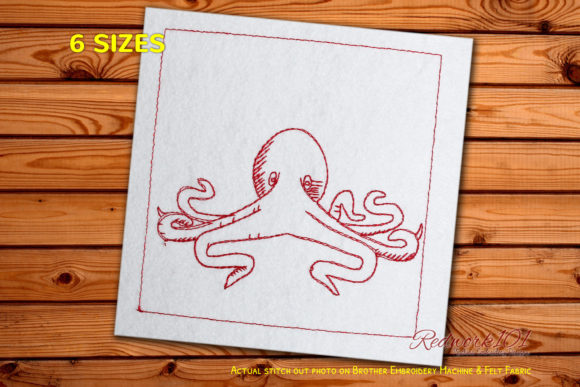
At first glance, the Octopus embroidery design feels playful yet refined. The shape of the octopus is fluid and organic, with eight arms that flow naturally from its body. It carries a whimsical vibe that's perfect for beach-themed projects but also has enough charm to work in more general creative contexts. The design doesn’t feel too busy or overly detailed, which makes it versatile for different applications.
The layout is centered around a main figure with optional box stitching, which adds an interesting layer of customization. This flexibility allows embroiderers to choose whether they want to add structure or keep the focus solely on the octopus itself. The overall visual personality leans toward a hand-drawn, almost cartoonish style, which is great for creating a friendly and approachable look.
How Octopus Performs in Real-Life Embroidery Projects
If I were to use this design for a custom embroidered tote bag, I’d expect it to stand out nicely against lighter fabrics like cotton or linen. The contrast between the octopus and the background would be clear, especially if using thread colors that pop. For a sweatshirt or t-shirt, the same applies—this design would work well on light-colored garments without needing too much embellishment around it.
I can see this design being used effectively on baby clothes or nursery decor, where a soft and fun motif is desired. It could also make a great patch for a backpack or cap, adding a touch of character without overwhelming the piece. On aprons or pillow covers, the octopus could serve as a focal point, drawing attention in a way that feels both charming and professional.
For commercial embroidery, such as small shop products or Etsy listings, this design has potential. It’s not too complex, so it won’t require excessive stitch time or specialized techniques. However, if you're planning to sell finished items or digital embroidery files, it's important to confirm licensing terms before proceeding.
Where to Use Octopus with Caution
While the Octopus design is adaptable, there are certain situations where it might not perform as well. For instance, when working with small hoop sizes, the detail in the arms and body may get lost or distorted. Similarly, on textured or stretchy fabrics, the design might not hold its shape as neatly, especially if the fabric stretches during washing or wear.
Dark fabric backgrounds could also pose a challenge. While the design looks good on light-colored materials, using it on dark fabrics might require additional adjustments in thread color or even the addition of stabilizer to ensure clarity. Layered garments or curved surfaces like caps will need careful placement and possibly some trimming to maintain the integrity of the design.
For intricate corners or tiny lettering, this design isn't ideal since it lacks those fine details. If your project involves dense stitch areas or decorative accents, consider pairing this design with simpler elements rather than relying on it alone.
Visual Appeal and Practical Considerations
The Octopus design contributes positively to the visual appeal of any product it's applied to. Its clean lines and recognizable form make it instantly appealing, especially for handmade products or personalized gifts. Customers are likely to appreciate the fun and unique aspect of the design, which can enhance the perceived value of the finished product.
From a designer's perspective, it’s essential to test the design on scrap fabric first. Checking thread color contrast and reviewing stitch density will help determine how well it translates onto different materials. Confirming the correct hoop size and using proper stabilizer will ensure that the final result looks polished and professional.
Testing the design in black and white mockups can also be helpful, as it allows you to see how the design will appear on various fabric backgrounds. Comparing light and dark fabric options will help you decide on the best thread colors and placement for each scenario.
Design Notes for Embroidery Professionals
Before committing to using Octopus in a real project, take the time to review the embroidery file thoroughly. Check whether the optional box stitching is something you'd want to include or exclude based on your project needs. Make sure the design works for both personal and commercial projects, and always confirm licensing before selling finished items or digital products.
Consider how this design fits into your brand or shop’s aesthetic. Whether you're an Etsy seller, craft fair vendor, or boutique owner, the right design choice can significantly impact customer engagement and product recognition. Octopus has the potential to be a standout asset in the right context, but like all designs, it needs thoughtful application to shine.