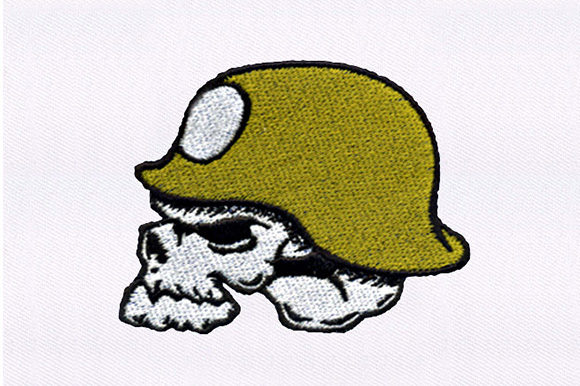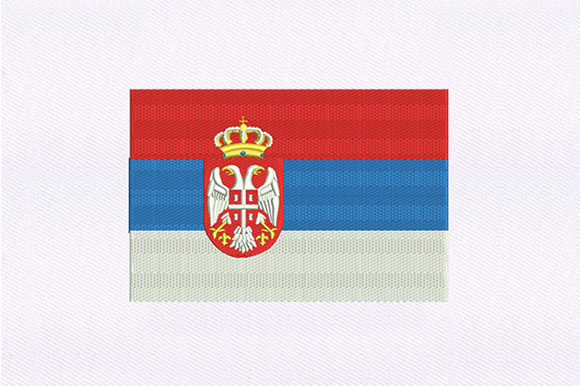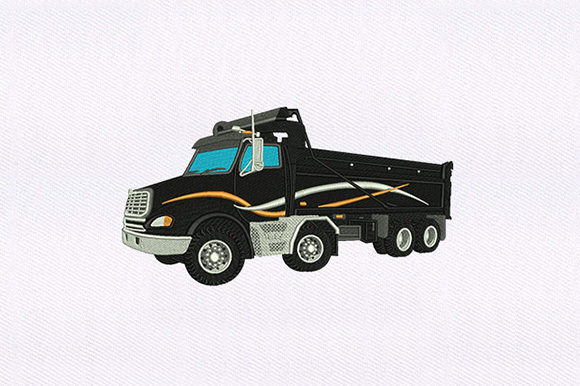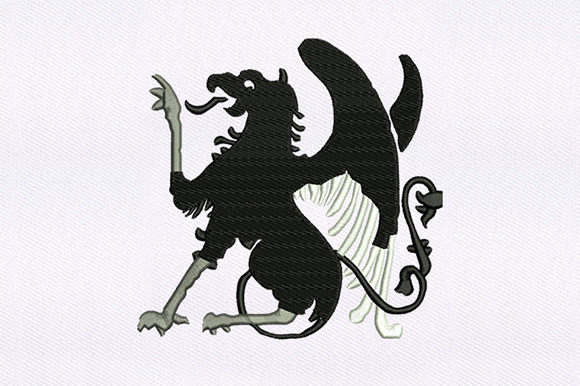
Shingling Armor Embroidery Design Review
First Impressions of Shingling Armor
As an experienced embroidery designer, the first thing that stands out about Shingling Armor is its bold and professional appearance. The name itself evokes a sense of strength and protection, which aligns well with the military category it belongs to. However, this design isn't just for military use—it has a versatile look that can be adapted for small business merch, custom apparel, and branded patches.
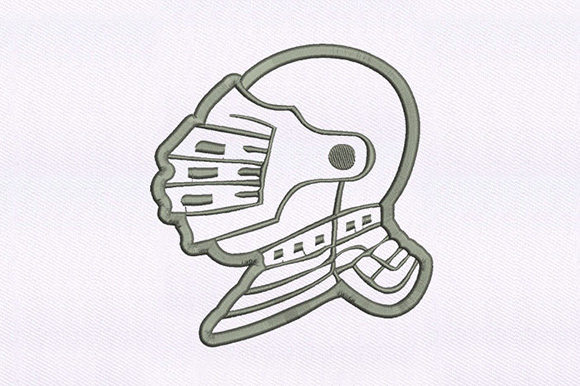
The machine embroidery design feels premium and detailed, with clean lines and structured elements that suggest a modern yet classic aesthetic. It's not overly decorative, which makes it suitable for both subtle brand accents and more prominent placements on merchandise like aprons or tote bags.
Real Business Use Scenarios for Shingling Armor
Shingling Armor could serve as an excellent embroidered patch for a local café or boutique looking to add a touch of professionalism to their staff uniforms. Its structure and clarity make it ideal for cap embroidery, where space is limited but visibility is key. A small business owner might consider using this design on work shirts or apron embroidery to reinforce brand identity without overwhelming the overall look.
For tote bag design, Shingling Armor could be used as a chest logo accent or a sleeve detail, adding a sense of quality and attention to detail. In a handmade shop or Etsy store, this design could become a signature element of product packaging accents or customer gifts, helping to create visual consistency across all branded materials.
Event merch, such as branded T-shirts or caps, would benefit from the strong presence of Shingling Armor. It’s also a great fit for commercial embroidery projects where a consistent and recognizable brand mark is essential. Whether it's for boutique merchandise or craft business assets, this design brings a level of professionalism that elevates the finished product.
Where to Use Shingling Armor with Caution
While Shingling Armor is a strong design, there are certain applications where it should be used carefully. Small patch sizes may not do justice to the intricate details of the design, so testing it in black and white first is crucial. Cap fronts, in particular, require a design that can be viewed clearly from a distance, so ensuring that the embroidery file maintains clarity at smaller scales is important.
Curved surfaces, such as those found on mugs or helmets, might distort the design unless properly stabilized. Similarly, high stitch density could lead to fabric puckering if the right stabilizer isn't used. For items that need frequent washing, like staff uniforms, it's essential to test how Shingling Armor holds up over time on different fabric textures.
Tiny lettering or detailed outlines may not translate well to certain fabrics, especially darker ones where thread color contrast is less visible. Always review spacing and confirm hoop size before production to avoid any issues during the embroidery process.
Impact on Brand Identity and Customer Perception
The way Shingling Armor is used can significantly affect a small business's brand identity. As a custom apparel element, it conveys a sense of reliability and quality—qualities that help build customer trust and recognition. When used consistently across merchandise, event merch, and product packaging accents, it reinforces visual consistency and strengthens brand recall.
For handmade products or artisanal brands, this design adds a layer of professionalism while still maintaining a crafted feel. It helps elevate the perceived value of the finished product, making it more appealing to buyers who appreciate thoughtful branding and quality craftsmanship.
Incorporating Shingling Armor into branded merchandise can also enhance buyer engagement. Whether it's on a tote bag design or a cap embroidery, it creates a point of connection between the brand and its customers, fostering a sense of loyalty and community.
Practical Embroidery Designer Notes
Before finalizing the use of Shingling Armor, here are some practical steps to ensure the best results:
- Test it in black and white first: This helps determine how the design will look on different fabrics and under various lighting conditions.
- Check if it works at small patch size: Ensure that the design remains legible and visually appealing when scaled down.
- Review thread color contrast: Select thread colors that stand out against the fabric texture, especially for dark uniforms or textured materials.
- Inspect spacing and confirm hoop size: Proper spacing and hoop size prevent distortion and ensure accurate stitching.
- Test on real fabric: Always test the digital embroidery file on actual fabric before mass production.
- Use proper stabilizer: This helps maintain the integrity of the design, especially on stretchy or delicate fabrics.
- Create a printable mockup: Provide clients with a mockup for approval, ensuring the design aligns with their brand vision.
- Compare it beside other design assets: Ensure that Shingling Armor complements existing design assets and maintains visual consistency.
- Confirm commercial licensing: Before using Shingling Armor for business purposes, verify that the embroidery file comes with the appropriate commercial license.
By following these steps, you can ensure that Shingling Armor becomes a valuable asset in your small business merch strategy, enhancing both the visual appeal and professionalism of your brand's offerings.